PostgreSQL Integration
The PostgreSQL integration provides a secure, schema-validated interface between your LLM and your database instances. It abstracts the database driver layer, enabling AI agents to perform data retrieval and analysis within the bounds of your defined governance.
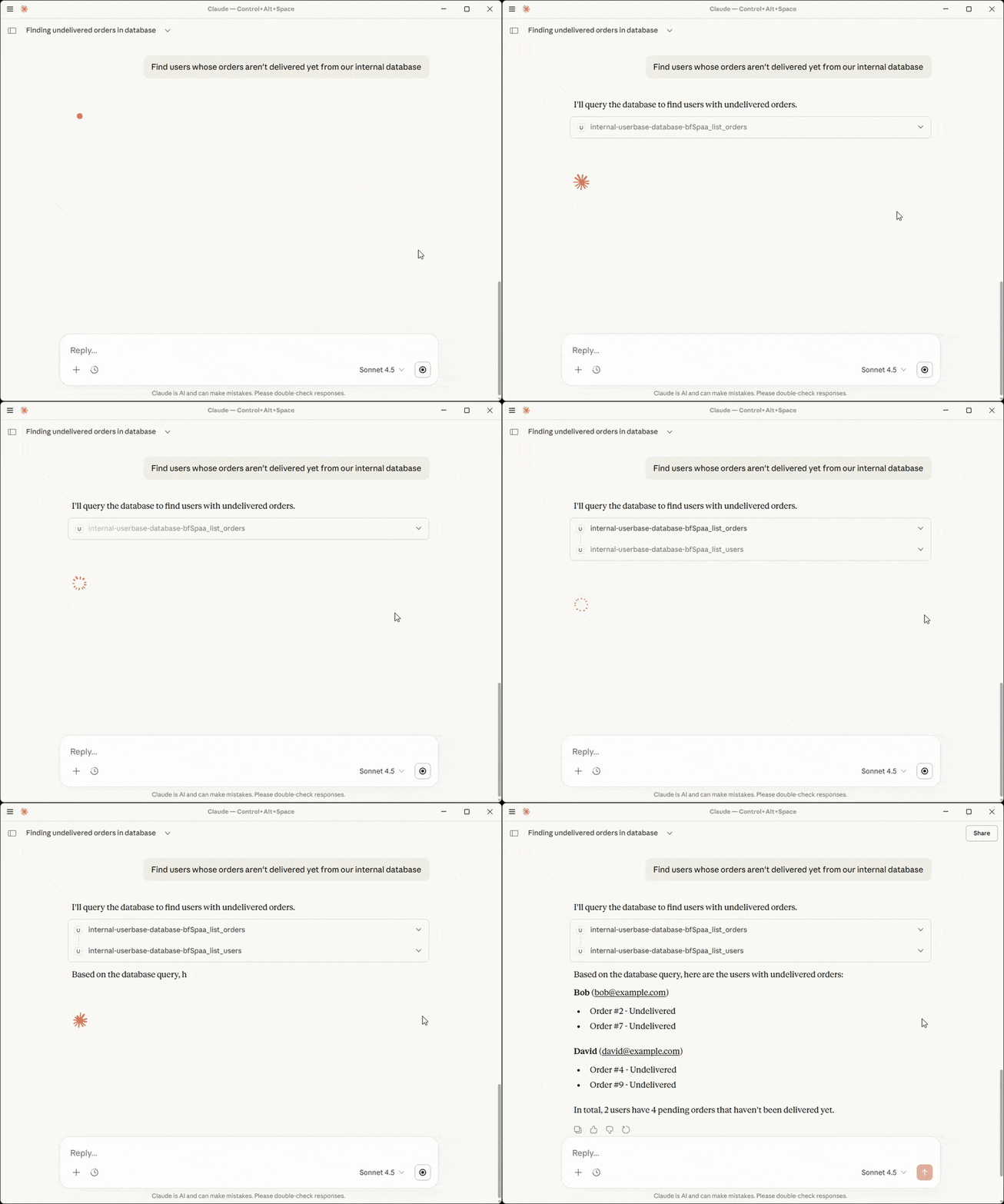
Capabilities
- SQL Templating & Dynamic Variables: Admins can define rigid SQL structures that accept dynamic parameters from the LLM. This enables granular control, such as restricting access to specific rows (e.g., WHERE status = 'released').
- Granular Schema Exposure: Provision read-only access to specific tables while enforcing column-level redaction for sensitive data like PII or credentials.
- Automated Schema Inference: High-fidelity mapping of PostgreSQL data types to JSON-RPC tool definitions, ensuring the LLM understands your data structure.
Technical Resources
The following modules detail the lifecycle of your PostgreSQL integration:
📄️ Integration
To interface your MCP server with a PostgreSQL instance, you must define the connection parameters and establish a secure handshake. This process ensures the server can successfully orchestrate query execution and schema inference.
📄️ Configuration
Once your database is connected, the Configuration layer defines how the LLM interfaces with your data. This is where you transform raw database tables into functional Tools that an AI assistant can invoke.
📄️ Security and Patterns
This section outlines the protocols and guardrails that ensure your PostgreSQL integration remains secure, performant, and compliant with enterprise data governance standards.